
About Pacific Trails Recovery
Our Mission
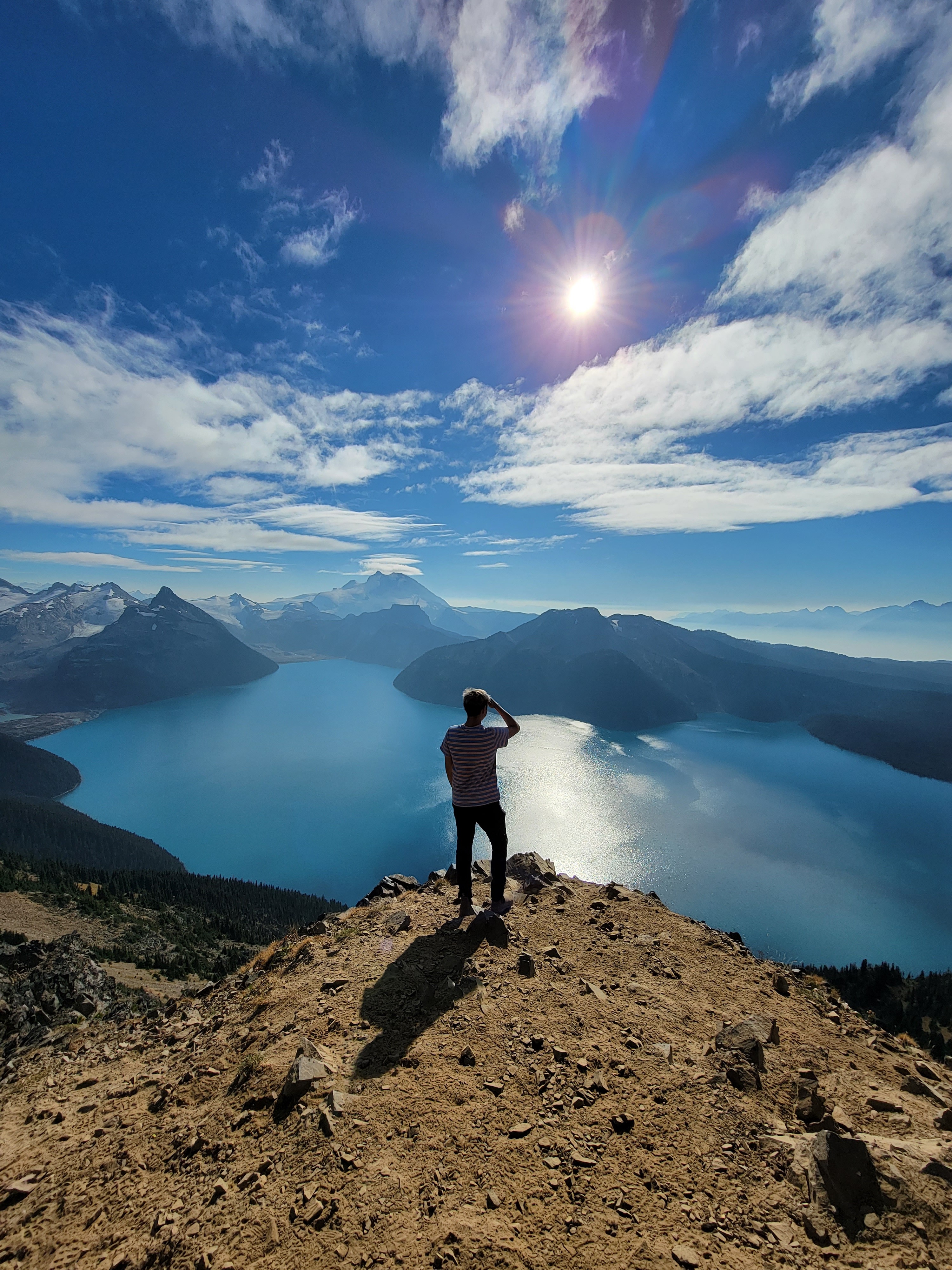
At Pacific Trails Recovery Society, our mission is to help people in recovery build lives they genuinely love through adventure and community. We empower individuals to thrive with purpose, friendship, and exploring their passions as part of their recovery.
At Pacific Trails Recovery Society, our mission is to help people in recovery build lives they genuinely love through adventure and community. We empower individuals to thrive with purpose, friendship, and exploring their passions as part of their recovery.
About our Founders
Max Niemeyer
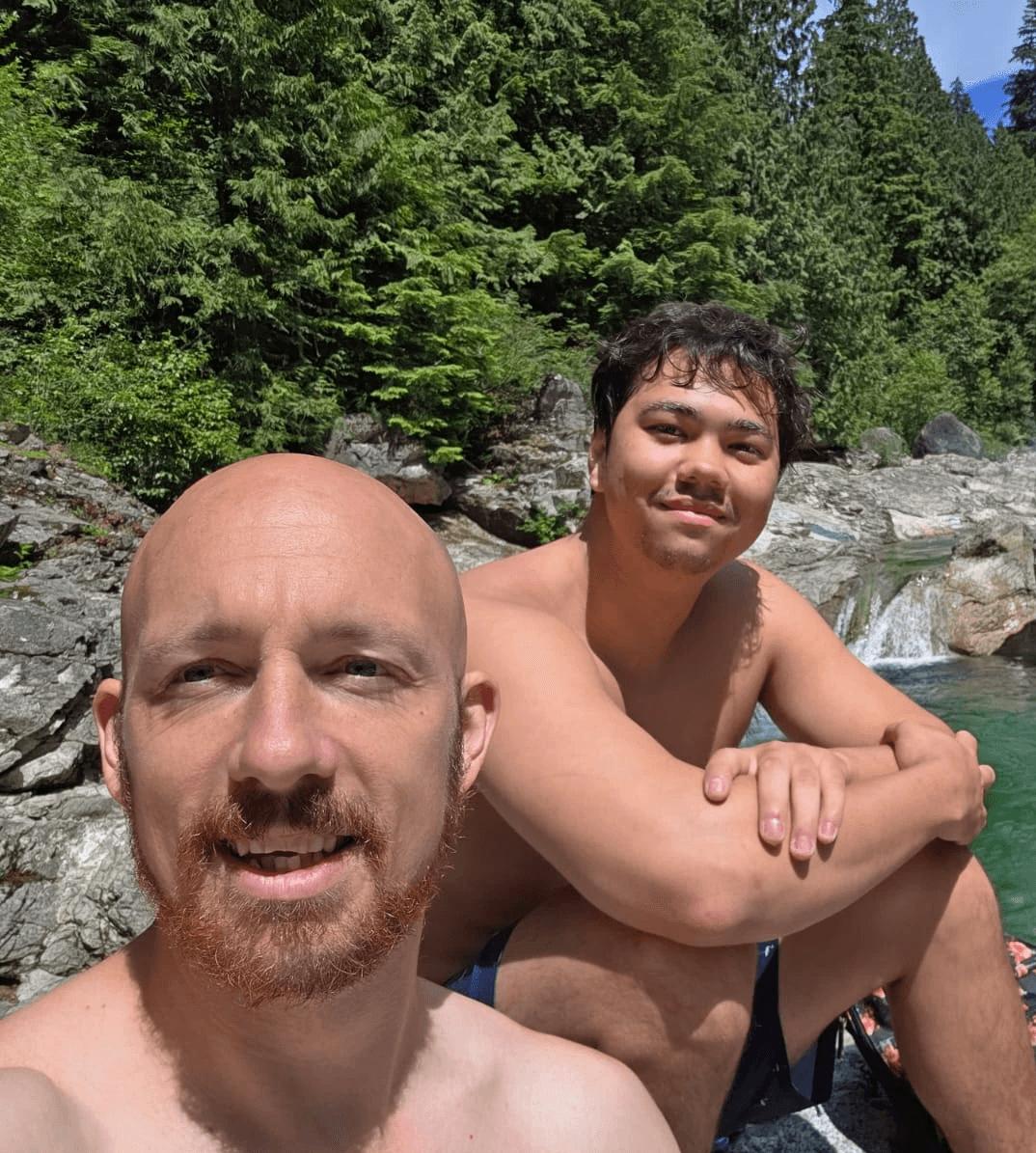
My name is Max Niemeyer, and I am a recovering addict and alcoholic. I grew up in New Jersey with a loving family and great memories of exploring various outdoor activities. In high school, I started smoking weed, and when I left for university, drinking entered the picture. It didn’t take long for things to spiral. I isolated myself, drifted from the people I loved, and stopped doing the activities that used to make me feel alive. I started making choices that scared the people around me and should have scared me more. I dropped out of university and ended up in my parents’ basement, drinking and doing drugs almost continuously. I told myself I would stop, but nothing changed until I finally became honest with my therapist.
Everything shifted when I went to a treatment centre in Colorado. The program taught me tools to maintain sobriety, but the most powerful part was the time outdoors and the bonds I formed there. After treatment, I moved to Vancouver, BC with no family and only one contact, a sober coach named Joey McGeough. I transferred to the University of the Fraser Valley, continued my business degree, and volunteered as a peer support worker. Joey helped me find connection instead of isolation, and I returned to the outdoors through skiing, hiking, rock climbing, and fishing.
Living in a second stage house, I saw how many men were missing consistent support, accountability, and real friendship. The relapses and poor retention rate lit a fire in me to build something better. From that conviction, Joey and I founded Pacific Trails Recovery Society. Our aim is simple: to create small, supportive homes where men in recovery build real friendships and re-engage with life. We help men step back into the world with purpose and discover a recovery that becomes more than abstinence.
My name is Max Niemeyer, and I am a recovering addict and alcoholic. I grew up in New Jersey with a loving family and great memories of exploring various outdoor activities. In high school, I started smoking weed, and when I left for university, drinking entered the picture. It didn’t take long for things to spiral. I isolated myself, drifted from the people I loved, and stopped doing the activities that used to make me feel alive. I started making choices that scared the people around me and should have scared me more. I dropped out of university and ended up in my parents’ basement, drinking and doing drugs almost continuously. I told myself I would stop, but nothing changed until I finally became honest with my therapist.
Everything shifted when I went to a treatment centre in Colorado. The program taught me tools to maintain sobriety, but the most powerful part was the time outdoors and the bonds I formed there. After treatment, I moved to Vancouver, BC with no family and only one contact, a sober coach named Joey McGeough. I transferred to the University of the Fraser Valley, continued my business degree, and volunteered as a peer support worker. Joey helped me find connection instead of isolation, and I returned to the outdoors through skiing, hiking, rock climbing, and fishing.
Living in a second stage house, I saw how many men were missing consistent support, accountability, and real friendship. The relapses and poor retention rate lit a fire in me to build something better. From that conviction, Joey and I founded Pacific Trails Recovery Society. Our aim is simple: to create small, supportive homes where men in recovery build real friendships and re-engage with life. We help men step back into the world with purpose and discover a recovery that becomes more than abstinence.
Joey McGeough
Joey McGeough
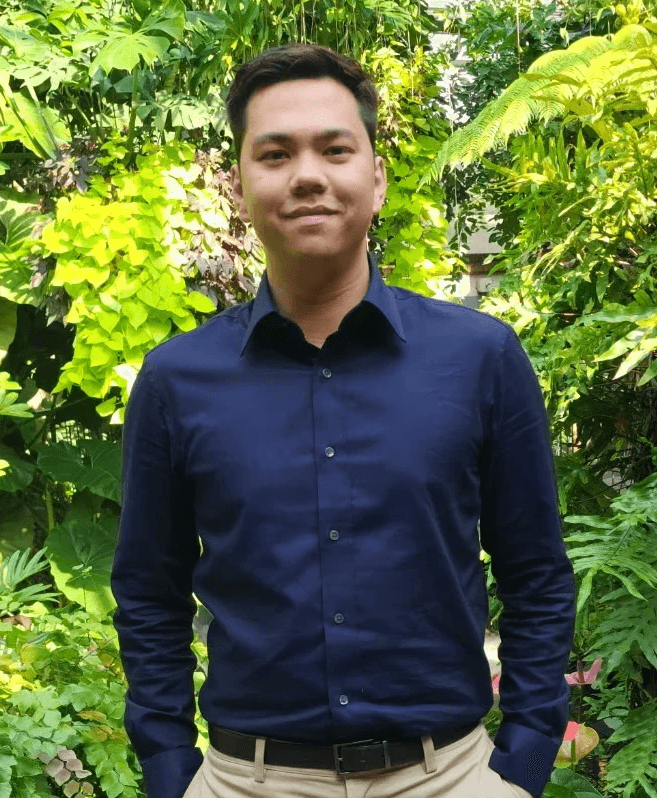
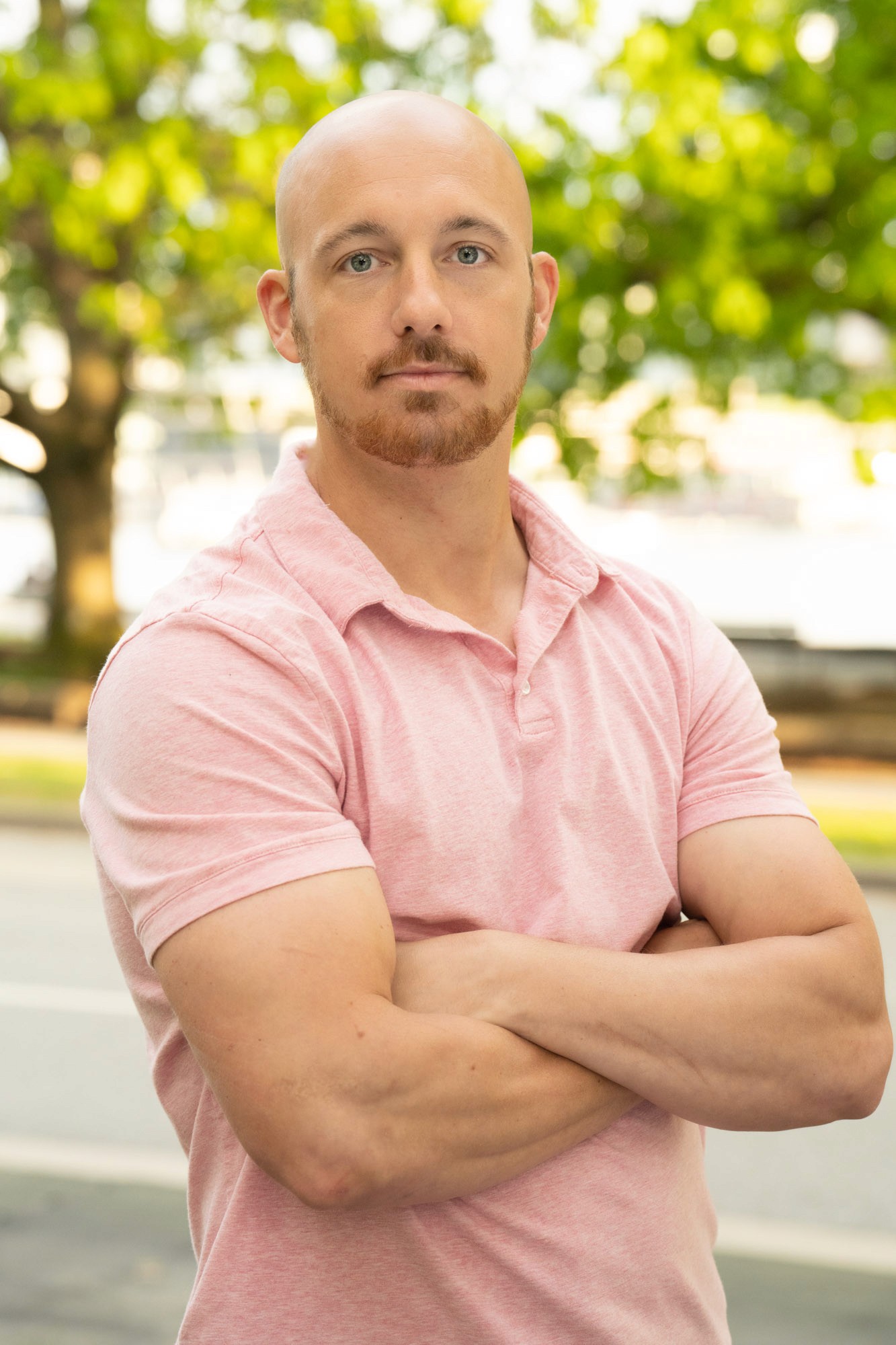
My name is Joey McGeough. I have been working in the recovery field for over 10 years, in which my commitment to this work comes from lived experience, not just training or titles.
My addiction started when I was 16 years old. I tried many substances, but heroin became my drug of choice. What began as experimentation quickly turned into a life shaped by instability, chaos, and survival. From age 18 to 27, homelessness was a recurring reality for me more often than not. I cycled through attempts to get sober, brief stretches of hope, and long stretches of relapse. Over time, my addiction deepened and eventually became a fentanyl addiction. I was not living with a future in mind. I was living moment to moment.
I became sober in 2015 and dedicated my recovery to helping others to find a way out of addiction. I have supported people in a variety of roles within a treatment centre setting and am currently also a recovery coach. I completed several counselling courses at Vancouver Community College. I remain especially passionate about advocating for individuals with concurrent disorders and marginalized populations who are too often overlooked.
Fitness is very important to me and I have obtained my personal training certification through the American Council on Exercise. From 2021 to 2025, I served as Vice President of the Rec Recovery Soccer Association, an initiative that promotes physical health, teamwork, and belonging among individuals in recovery.
I believe long-term recovery is built through connection, activity, and community. Recovery has given me a life grounded in purpose and real connection. It has also given me strong friendships, a loving wife, and a daughter. I do this work because I know what it costs to stay stuck, and I know what becomes possible when someone finally gets a real chance to live again.
My name is Joey McGeough. I have been working in the recovery field for over 10 years, in which my commitment to this work comes from lived experience, not just training or titles.
My addiction started when I was 16 years old. I tried many substances, but heroin became my drug of choice. What began as experimentation quickly turned into a life shaped by instability, chaos, and survival. From age 18 to 27, homelessness was a recurring reality for me more often than not. I cycled through attempts to get sober, brief stretches of hope, and long stretches of relapse. Over time, my addiction deepened and eventually became a fentanyl addiction. I was not living with a future in mind. I was living moment to moment.
I became sober in 2015 and dedicated my recovery to helping others to find a way out of addiction. I have supported people in a variety of roles within a treatment centre setting and am currently also a recovery coach. I completed several counselling courses at Vancouver Community College. I remain especially passionate about advocating for individuals with concurrent disorders and marginalized populations who are too often overlooked.
Fitness is very important to me and I have obtained my personal training certification through the American Council on Exercise. From 2021 to 2025, I served as Vice President of the Rec Recovery Soccer Association, an initiative that promotes physical health, teamwork, and belonging among individuals in recovery.
I believe long-term recovery is built through connection, activity, and community. Recovery has given me a life grounded in purpose and real connection. It has also given me strong friendships, a loving wife, and a daughter. I do this work because I know what it costs to stay stuck, and I know what becomes possible when someone finally gets a real chance to live again.